Why Ultra Destructible Stickers Are Essential for Tamper-Proof Security
Ultra-destructible stickers are specialized security labels designed to fracture into tiny pieces when someone attempts to remove them. These tamper-evident labels make it impossible to peel off and reapply without leaving obvious evidence of tampering.
Key Features of Ultra Destructible Stickers:
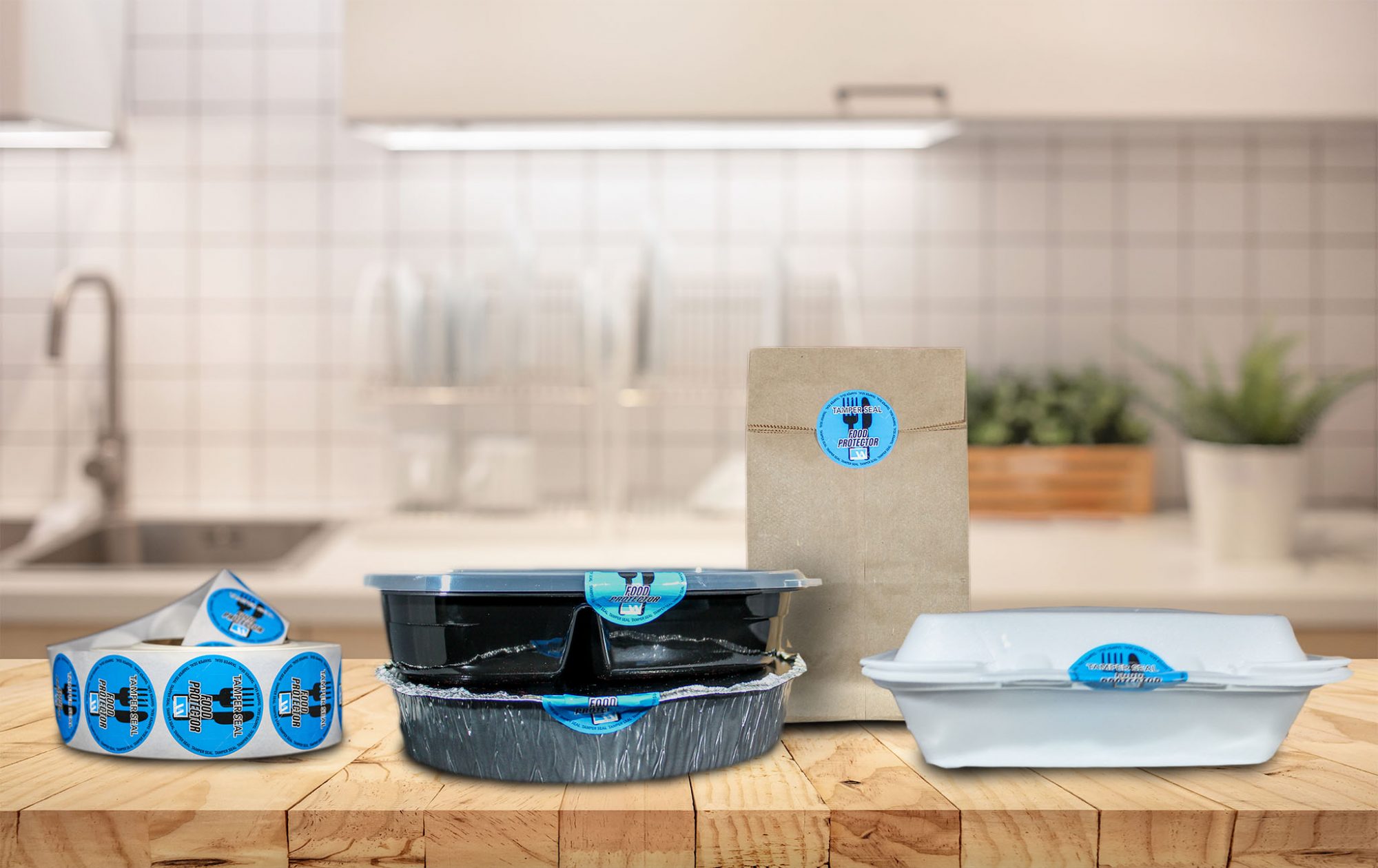
- Break apart completely – Fragment into small pieces upon removal attempt
- Permanent adhesive – Cannot be cleanly removed from any surface
- Customizable options – Available with barcodes, sequential numbering, and RFID
- Durable materials – Withstand temperatures from -40°F to 180°F
- Multiple grades – High, medium, and low frangibility for different applications
Ultra-destructible vinyl labels utilize specialty materials, such as eggshell paper or brittle PVC film, that are engineered to have extremely low tensile strength. When removal is attempted, the material literally disintegrates rather than peeling off in one piece.
Common applications include warranty seals on electronics, asset tracking labels, pharmaceutical packaging, and security seals for banking equipment. The Avery Dennison 2920 QM Ultra-Destructible film offers up to 5 years of outdoor durability while maintaining its tamper-evident properties.
These labels serve as your first line of defense against counterfeiting, unauthorized access, and warranty fraud. Unlike void labels that leave residue, or holographic labels that rely on visual inspection, ultra destructible stickers provide physical proof that tampering occurred.
How Ultra Destructible Stickers Work
Here’s where the engineering magic happens. Ultra destructible stickers work on a brilliantly simple principle; they’re designed to be their own worst enemy when it comes to removal.
The secret starts with the facestock material. We’re talking about specially formulated substrates like eggshell vinyl or brittle paper that have microscopic slits engineered right into them. These aren’t random weaknesses; they’re precisely calculated failure points that activate the moment someone tries to peel the label.
The acrylic adhesive perfectly plays the supporting role. Unlike regular adhesives that might weaken over time, this stuff actually gets stronger. Temperature, humidity, and time all work in your favor, creating an increasingly permanent bond that makes tampering more obvious, not less.
When someone attempts removal, the material fractures along those predetermined weak points faster than you can say “warranty void.” The typical elongation rate is just 0.2% to 0.4%, which means these labels have about as much stretch as a concrete sidewalk.
Label Materials, Grades, & Durability Explained
Not all ultra destructible stickers are created equal. The material choice makes all the difference in performance and whether your security strategy actually works.
Eggshell paper remains our most popular choice for good reason. This 100-micron material comes in three frangible grades: ultra, medium, and hard. The ultra grade is so brittle that even die-cutting can be challenging, perfect for maximum security applications where you want the label to fragment at the slightest provocation.
PVC film options significantly improve durability. They can handle temperature swings from -40°F to 180°F without losing their destructible properties. We’re talking about labels that laugh at Minnesota winters and Texas summers while maintaining their tamper-evident integrity.
The UV resistance built into these materials means they won’t fade or degrade even after 5 years of outdoor exposure. I’ve seen labels on construction equipment that still fragment perfectly after years of sun, rain, and abuse.
What’s particularly clever about the engineering is how temperature affects fragility. Colder conditions make the materials more brittle, which actually improves security in harsh environments. It’s like having a stronger security system when conditions get tougher.
The co-extruded versions represent the premium end of the spectrum. These multi-layer constructions combine different materials in a single label, creating multiple failure modes that make tampering virtually impossible.
Customization & Ordering Tips
Modern digital printing has revolutionized what’s possible with ultra destructible stickers. Gone are the days when security meant settling for plain white labels with black text.
Color matching is precise enough to hit specific corporate colors like our signature #3CB4E5 blue. The key is understanding that complex graphics near the edges can interfere with fracture patterns, so smart design keeps critical visual elements toward the center.
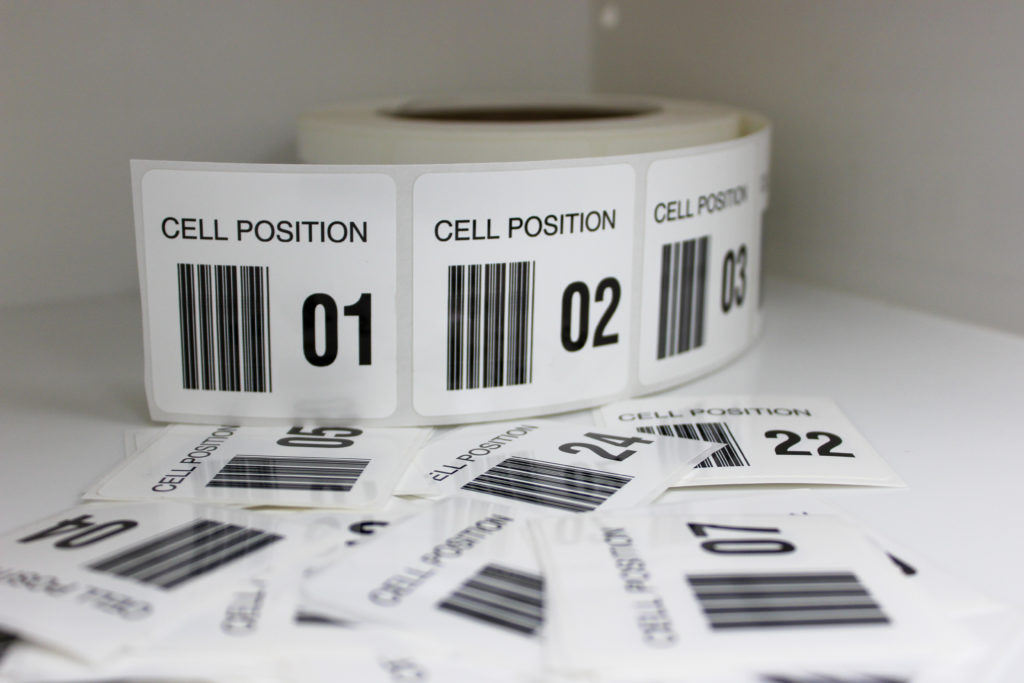
Variable data printing opens up powerful tracking possibilities. Sequential barcodes turn each label into a unique identifier, while QR codes can link to digital authentication systems. We’ve even integrated RFID chips into destructible labels for clients who need both physical and electronic security layers.
High-security applications might call for ultra-fragile materials that fragment at the lightest touch, while asset tracking might benefit from medium-grade materials that survive normal handling but still break under deliberate removal attempts.
Short-run digital printing makes testing affordable. Rather than committing to thousands of labels upfront, you can order small quantities to verify compatibility with your surfaces and application processes. Once you’ve dialed in the perfect specification, bulk roll savings make larger orders economical.
Best Practices for Application & Removal Resistance
Applying ultra-destructible stickers is like preparing for surgery—cleanliness matters. Your surface must be spotless for the adhesive to form its strongest bond. Clean with isopropyl alcohol (90% works best) and let everything dry completely before you even think about peeling that backing paper.
Temperature plays a bigger role than most people realize. Apply at 50°F or higher whenever possible. Cold conditions make the adhesive sluggish and prevent proper bonding. If you work in a chilly warehouse or outdoors, warm up the labels and surface first.
The 24-hour cure time is critical; this isn’t just a suggestion. During those first hours, the acrylic adhesive is still flowing and bonding at the molecular level. Disturb it too early, and you’ll never get maximum security performance.
Here’s something that catches people off guard: never laminate over destructible labels. Lamination prevents the fracturing that makes these labels work. It’s like putting a safety net under a security feature. It defeats the whole purpose.
Surface prep with isopropyl cleaning removes oils, dust, and residues that create weak spots in adhesion. Even fingerprints can compromise bond strength. For low-energy plastics like polyethylene, you might need special surface treatments or primer applications for proper adhesion.
The application technique itself is straightforward but important. Work from the center outward to avoid air bubbles, and apply firm, even pressure across the entire label. Once it’s down, it’s down; attempting to reposition destroys the tamper-evident properties you paid for.
Why Partner with Whitlam Group?
Whitlam has spent decades perfecting the art and science of labels that actually work. While other companies talk about innovation, we’ve been quietly engineering solutions that protect billions of dollars in assets across automotive plants, pharmaceutical facilities, and high-tech manufacturing floors.
FREQUENTLY ASKED QUESTIONS:
How do I choose the right ultra destructible sticker material for my application?
Start by matching the material to how your product is handled and where the label will live. If you need maximum security, choose a more frangible construction that breaks apart with even a small peel attempt. If the label still needs to tolerate routine handling and abrasion before it is ever challenged, consider a slightly tougher destructible option that still fractures on removal. Also factor in the surface you are applying to. Smooth, clean surfaces typically deliver the most aggressive bond and the most obvious destruction, while textured or lower-energy plastics may require testing to confirm the right adhesive and facestock combination.
What are the best practices for applying ultra destructible stickers so they cannot be removed cleanly?
Application quality is the difference between “tamper-evident” and “tamper-evident every time.” The surface must be clean, dry, and free of oils, dust, or release agents. Apply with firm, even pressure, working out any bubbles so the adhesive has full contact with the substrate. Temperature matters too. Apply in moderate conditions so the adhesive can wet out properly, then allow time for the bond to build.
Are ultra destructible stickers truly tamper-proof, or should I pair them with other security features?
Ultra destructible stickers are designed to be tamper-evident, meaning they make interference obvious by breaking apart during removal. For many use cases, that physical destruction is enough to deter label transfer and highlight access attempts. If your risk level is higher, layering security features can add another hurdle and improve traceability. Common pairings include sequential numbering, barcodes or QR codes, and other variable data that makes each label unique and easier to audit.