Automotive and EV environments are some of the toughest on Earth. Labels must survive exposure to high heat, oil, brake fluid, UV light, abrasion, and constant vibration, all without fading, peeling, or failing. That’s why durability isn’t just nice-to-have, but it’s an engineering necessity.
At Whitlam Group, we supply labels that meet the standards of automotive OEMs and the industry. In this post, we’ll explore what makes automotive labels truly durable and how Whitlam’s expertise ensures they perform in even the most demanding conditions.
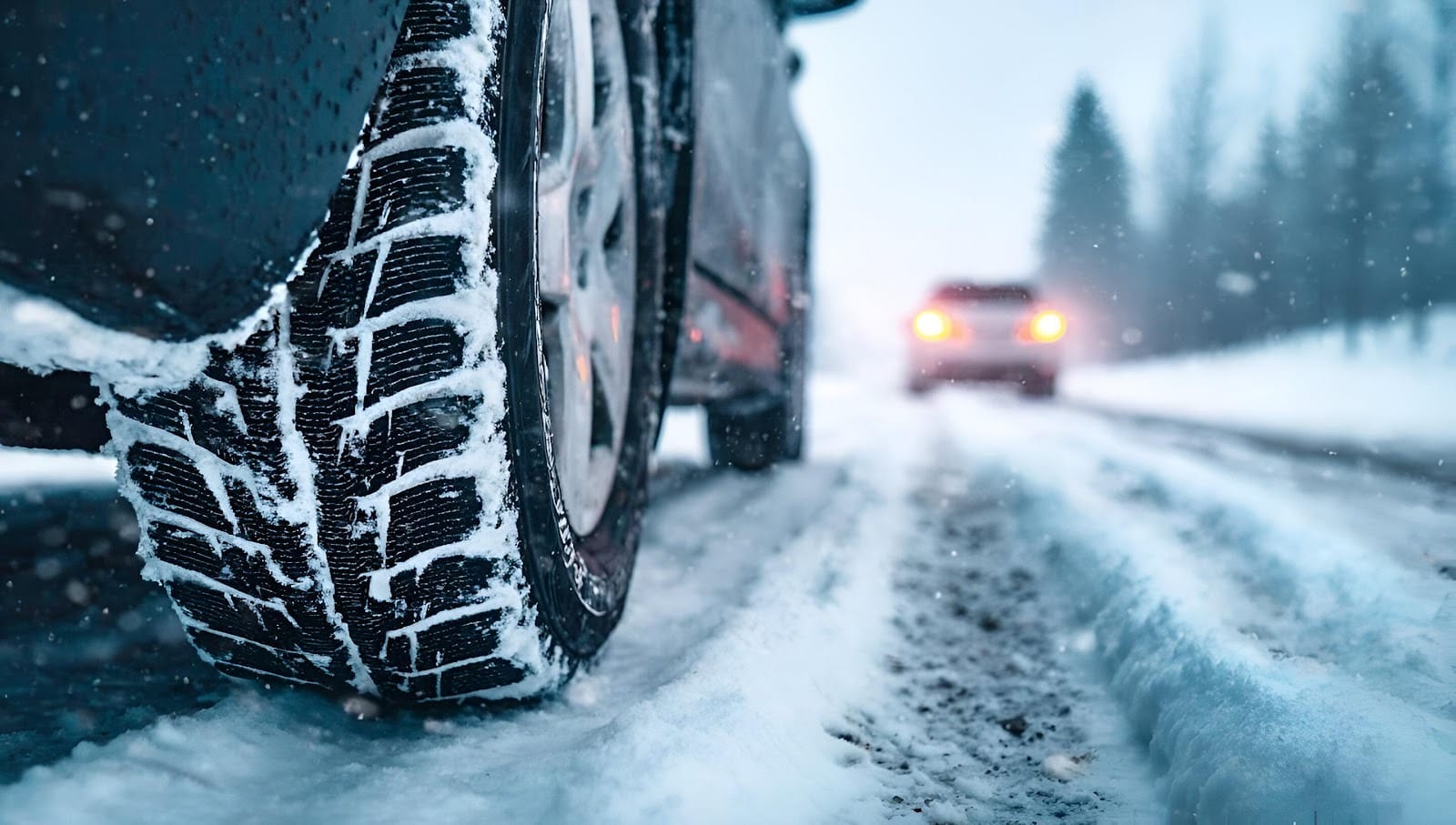
1. Built for the Harshest Environments
Automotive labels are exposed to punishing conditions every day. Heat, chemicals, and rough surfaces all threaten adhesion and readability.
Durable label constructions are built using advanced materials like high-temperature polyesters and performance adhesives that maintain bond strength even after years of exposure. These materials are proven to endure environments exceeding 300°F and resist long-term degradation from automotive fluids.
Examples:
- Engine and transmission labels
- Underbody and identification tags
- Fluid reservoir and coolant system labels
- Battery cell identification for EVs
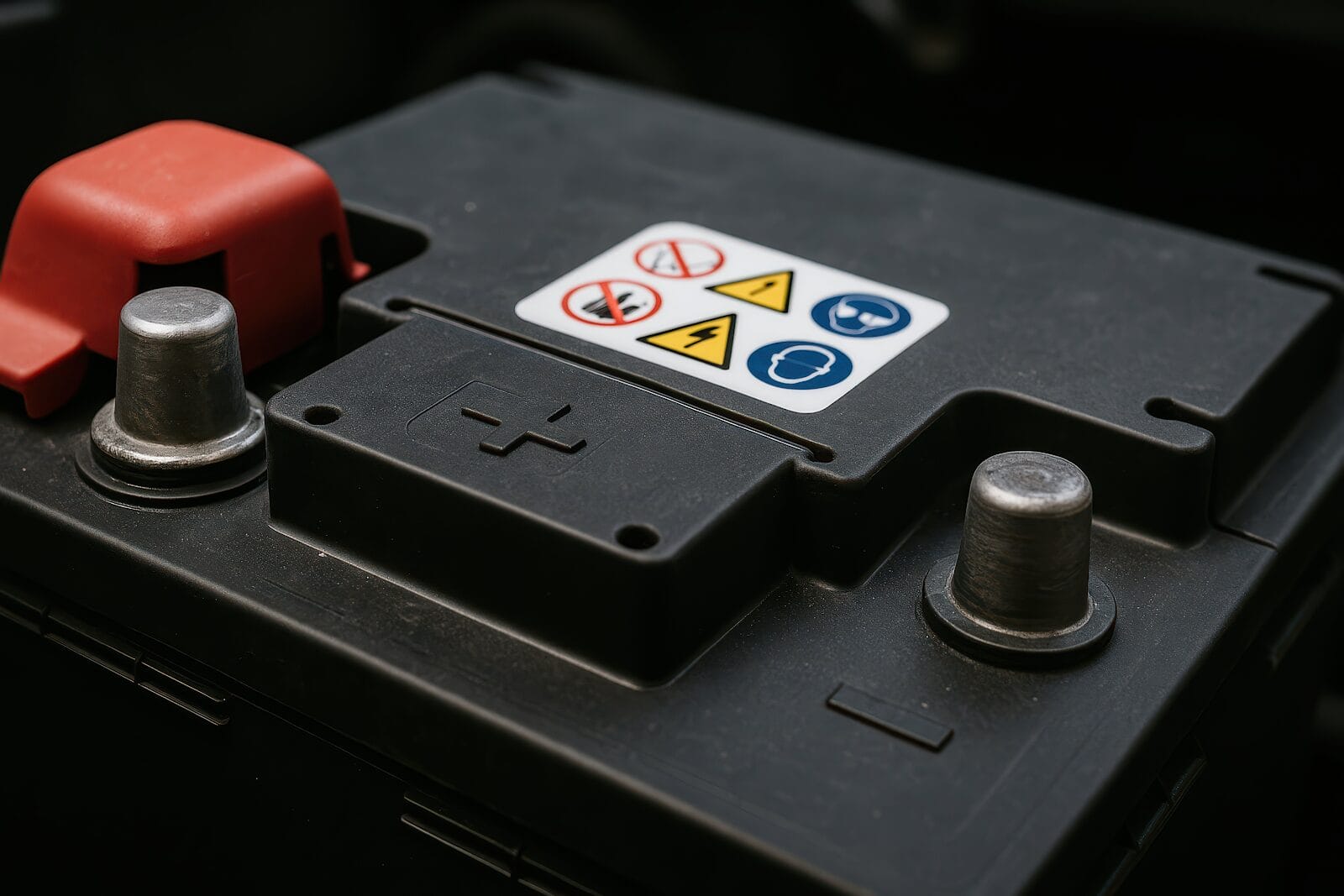
2. Testing That Goes Beyond the Standard
Every Whitlam label is validated through a rigorous testing process to ensure reliability over the entire vehicle lifespan. Our internal testing procedures align with OEM requirements for:
- Heat & Thermal Aging: Endurance at temperatures up to 300°F+
- Chemical Resistance: Tested against oils, fuels, brake fluid, and coolants
- Abrasion & Wear: Simulated contact and vibration exposure
- UV & Weathering: Long-term outdoor exposure simulation
- Adhesion & Surface Compatibility: Validation across metals, plastics, and composites
Durability isn’t assumed — it’s proven through performance testing and data-backed results.
3. Adhesives Matter: The Hidden Hero of Label Durability
The adhesive layer is one of the most overlooked yet crucial elements of label performance. A durable face stock is only adequate if the adhesive can withstand the same conditions.
Adhesives are specifically engineered for:
- Long-term bond retention in high-heat environments
- Chemical and solvent resistance
- Conformability to irregular or textured surfaces
- Strong adhesion to low surface energy plastics and powder-coated metals
This ensures labels remain firmly in place — whether on a hot engine block or a vibrating motor housing.
4. Designed for EV-Specific Challenges
Electric vehicles introduce a new set of environmental challenges for labeling. High-voltage areas, electrical insulation requirements, and new thermal management systems demand materials that are both flame-retardant and non-conductive.
Whitlam develops specialized constructions for EV battery labels that meet these requirements, including high-temperature resistance, low-outgassing adhesives, and flame-retardant films that help ensure component safety.
5. Compliance + Durability = Reliability
OEMs and Tier suppliers depend on consistent label performance for compliance, safety, and quality audits. A single label failure can mean costly rework, warranty claims, or regulatory issues.
Whitlam’s automotive labeling systems are validated through the PPAP (Production Part Approval Process), UL certifications, and in-house testing, ensuring that every product leaving our facility meets industry standards.
Work with Label Engineering Experts
Durability refers to a vehicle’s ability to withstand various challenges throughout its lifespan. Whitlam Group’s engineering expertise ensures your labels deliver consistent performance in the most extreme automotive environments.
Whether under the hood, inside an EV battery, or exposed to the elements, our labels are built to last.
Frequently Asked Questions Regarding Automotive Labels
What makes an automotive label durable enough for engines and high-heat environments?
Durable automotive labels utilize advanced materials, such as high-temperature polyesters and engineered adhesives, that maintain bond strength even when exposed to temperatures exceeding 300°F. Whitlam validates these constructions with rigorous thermal, chemical, UV, and abrasion testing to ensure long-term performance under the harshest conditions.
What labeling solutions are required for electric vehicles (EVs) and high-voltage components?
EVs require labels that withstand unique environmental and safety demands, including flame retardancy, non-conductive materials, high-temperature resistance, and low-outgassing adhesives. Whitlam develops specialized battery and high-voltage labels explicitly engineered to meet these emerging EV requirements.
How are automotive labels tested to ensure they meet OEM and industry durability standards?
Automotive labels undergo extensive testing that aligns with OEM requirements, including thermal aging, chemical resistance, abrasion, UV weathering, and adhesion performance across various materials, such as metals, plastics, and composites. Whitlam’s internal validation process ensures each label performs reliably throughout the vehicle’s lifespan.