The automotive industry is evolving faster than ever. Electric vehicles (EVs) and advanced electronics are transforming the way cars are designed, built, and maintained. As these vehicles become more sophisticated, every component must meet higher standards, including something often overlooked: labeling.
From high-voltage batteries to sensitive electronics, automotive components face extreme conditions. Traditional labeling methods often fall short in rigorous demanding environments, making specialized, high-performance labels essential to the next generation of automotive manufacturing.
In this article, we’ll explore the key labeling challenges in EV and advanced automotive manufacturing and how manufacturers can overcome them.
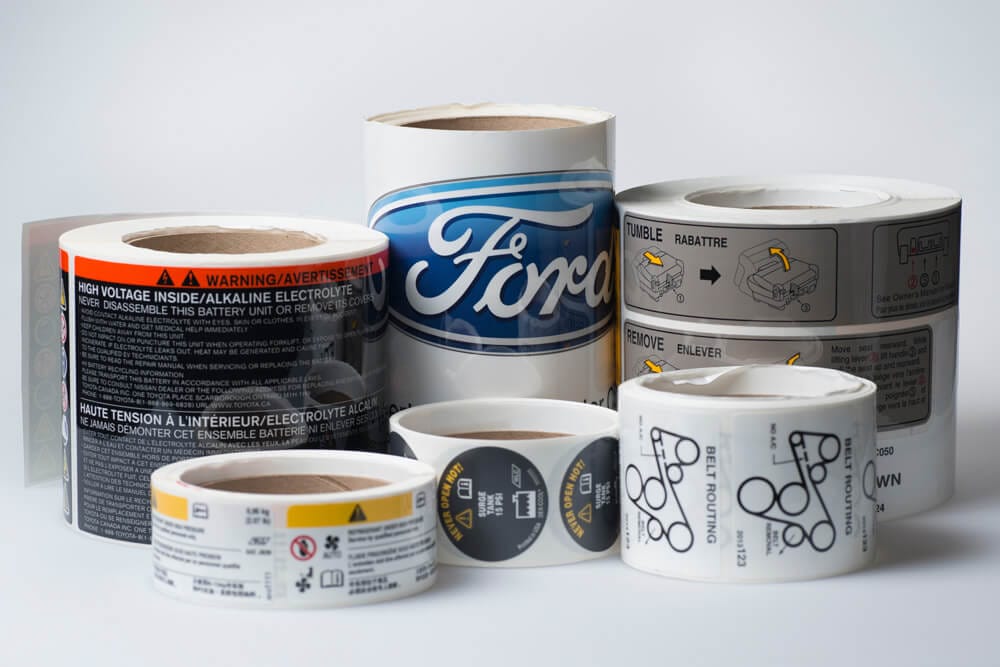
The Rise of Electric Vehicles and Advanced Automotive Components
Electric vehicles are not just replacing traditional internal combustion engines; they are creating entirely new manufacturing requirements. EVs include components such as high-capacity batteries, electric motors, advanced sensors, and power electronics. Each of these parts requires precise identification and information that can survive extreme operating conditions.
For instance, EV battery packs operate under high voltage and generate significant heat during charging and discharging. Labels on these batteries must resist thermal stress, chemical exposure, and wear to ensure safety and compliance. Similarly, electronics like inverters, battery management systems, and advanced driver-assistance systems (ADAS) require labels that remain legible and secure over the life of the vehicle.
Key Challenges in Automotive Labeling
Automotive labeling is no longer a simple matter of printing part numbers or barcodes. Modern vehicles demand labels that can withstand harsh conditions while maintaining their integrity and readability. Here are the main challenges manufacturers face:
1. Heat Resistance
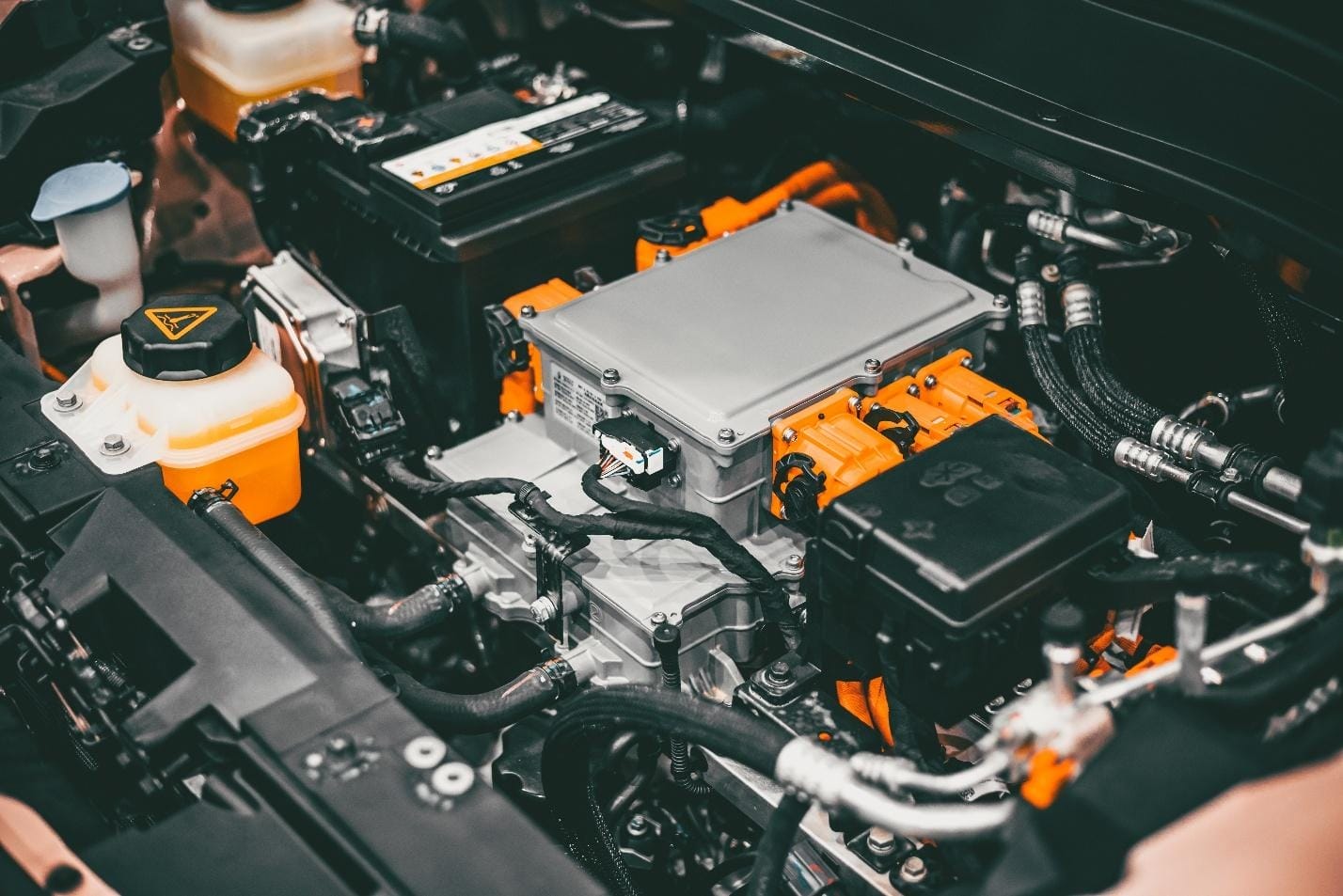
EV batteries, electric motors, and high-performance electronics generate significant heat during operation. Labels applied to these components are exposed to:
- Continuous high temperatures during operation
- Temperature fluctuations from cold starts to peak operating heat
- Proximity to engine or battery compartments where heat is concentrated
A standard paper or plastic label can warp, peel, or fade under these conditions, making critical information unreadable. To address this, manufacturers need high-heat resistant labels engineered to maintain adhesion and legibility under extreme temperatures.
2. Chemical and Fluid Exposure
Automotive components are often exposed to chemicals, oils, coolants, and cleaning agents during production and maintenance. Labels in these environments must resist:
- Battery electrolytes and acids
- Hydraulic fluids and lubricants
- Industrial cleaning chemicals
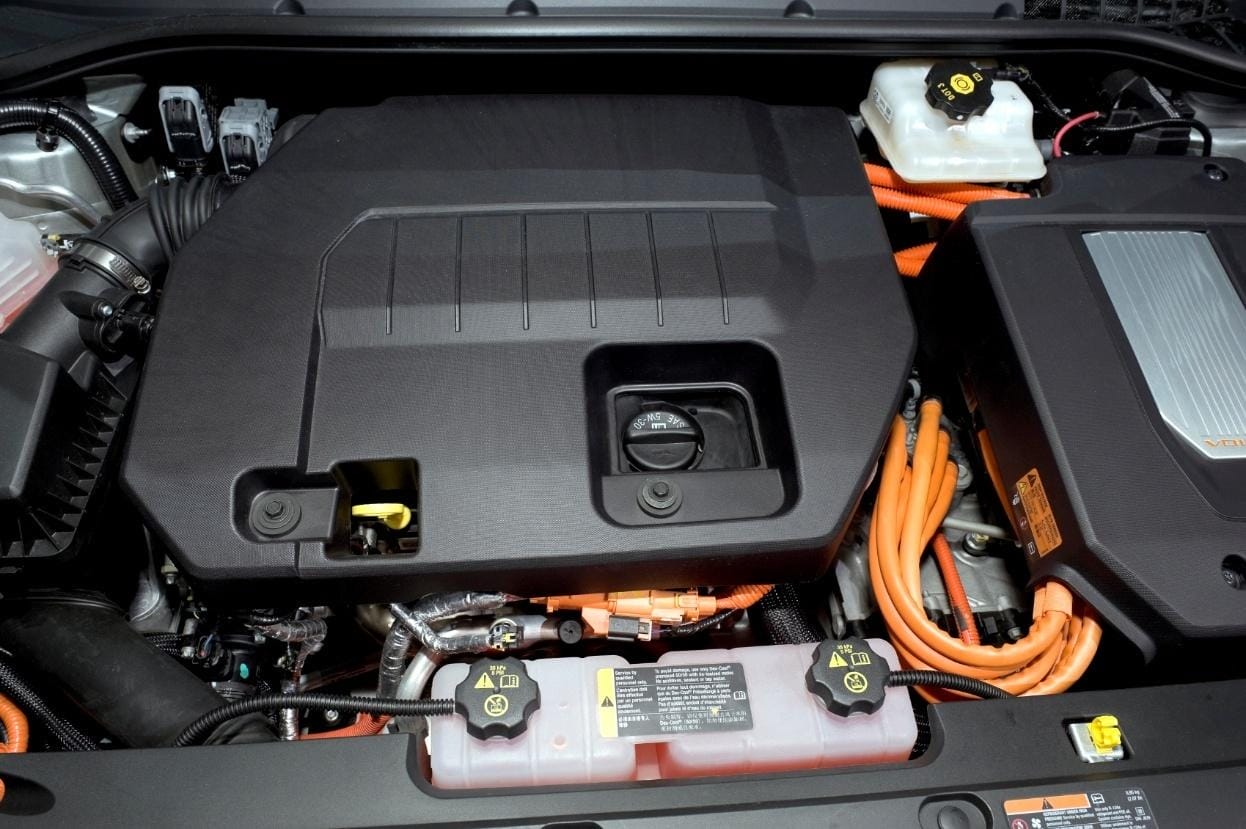
If labels degrade or fail when exposed to these substances, it can result in misidentification, safety hazards, or compliance issues. Using chemical-resistant materials and adhesives ensures that labels remain functional throughout the vehicle’s lifecycle.
3. Durability in Harsh Environments
Automotive components are subject to vibration, friction, and impact during operation. Labels must withstand:
- Mechanical abrasion and wear
- Exposure to moisture and UV light (especially for exterior or engine-bay components)
- Long-term adhesion over years of use
Durability is not just about physical strength. Labels must also retain readability, whether they display barcodes, part numbers, safety warnings, or compliance information. For high-value or safety-critical components, label failure can have significant consequences, including recalls or production delays.
4. Variable Data and Barcoding
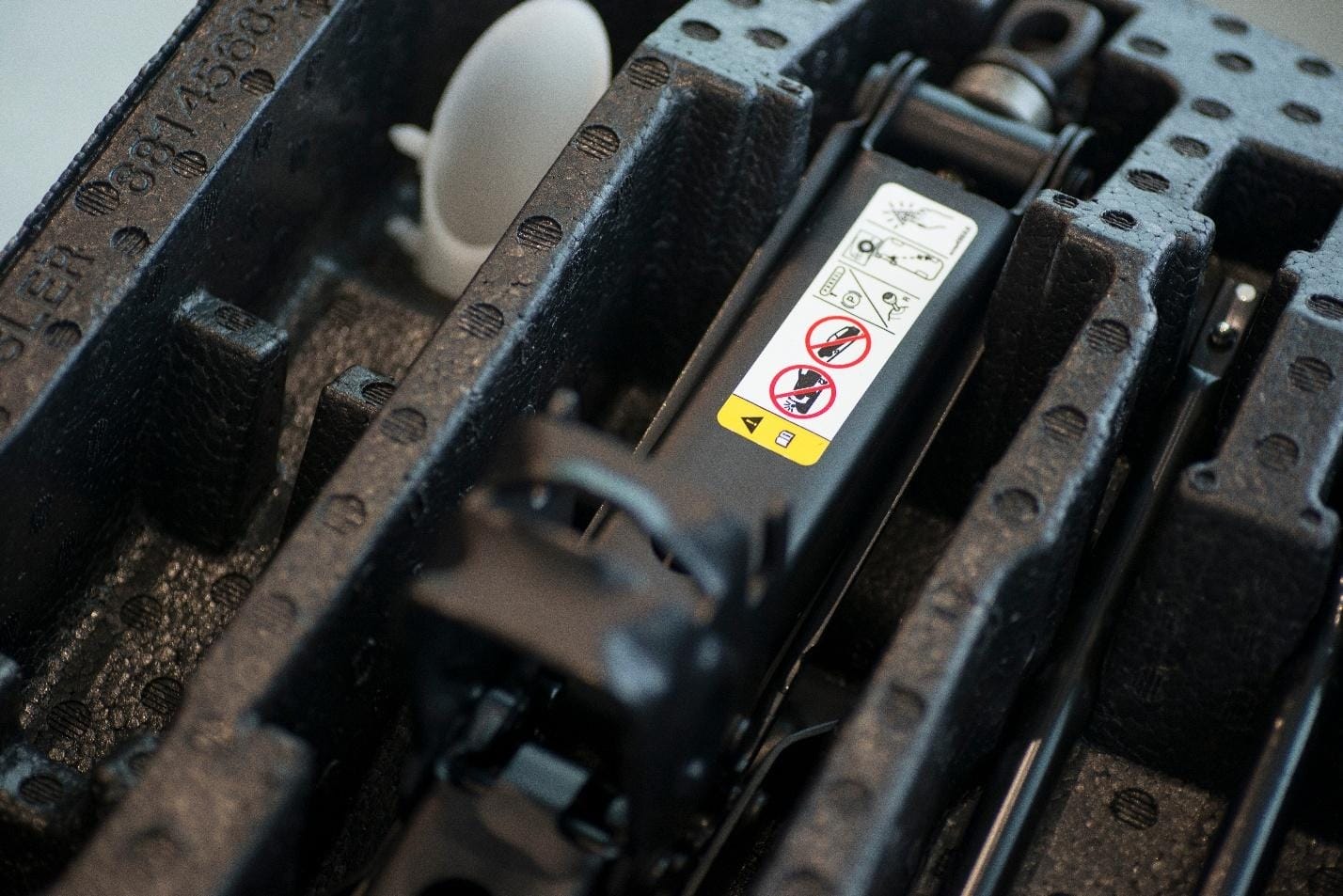
While durability is critical, modern automotive labeling also requires flexibility and traceability. Components often need labels with variable data such as serial numbers, batch codes, and barcodes for manufacturing, inventory, and service tracking.
EV and advanced electronics manufacturers often rely on variable data printing to ensure each part is uniquely identifiable. Labels must be capable of supporting:
- High-resolution barcodes for scanning in production or service environments
- Variable text and serial numbers without compromising adhesion or legibility
- Printing on heat- or chemical-resistant materials
This combination of durability and flexibility is a key challenge that standard labeling materials often cannot meet.
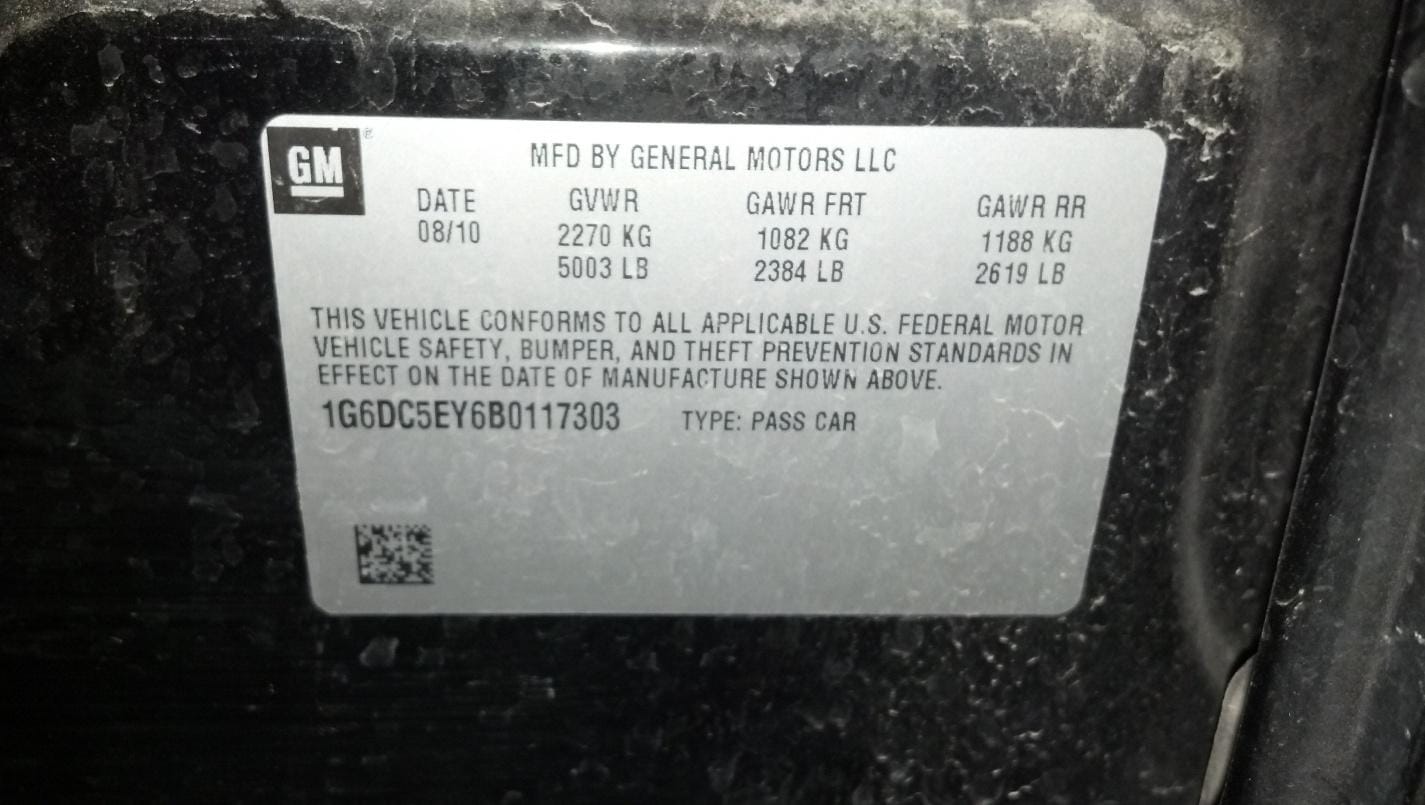
Specialized Labeling Solutions for EV & Advanced Automotive Manufacturing
Meeting these challenges requires labels that are designed specifically for automotive applications. Here’s what manufacturers should look for:
- High-Heat & Chemical Resistant Labels: Labels must be able to withstand the harshest temperatures and chemical exposures without peeling, fading, or losing legibility.
- Variable Data & Barcode Ready Labels: For components that require unique identification, variable data labels are essential.
- Engineering for Longevity: Labels should be engineered not only to survive the manufacturing process but also the lifecycle of the vehicle.
- Compliance and Safety Considerations: Automotive components are often subject to regulatory and safety requirements. Labels must clearly communicate warnings, certifications, and compliance information
Real-World Applications
Let’s look at some specific examples where specialized labeling makes a difference in modern automotive manufacturing:
EV Battery Packs
- Must withstand high heat during charge/discharge cycles
- Chemical-resistant to battery electrolytes
- Require serial numbers and barcodes for production tracking
Electric Motors
- Labels endure high temperatures and vibration
- Must resist grease, oils, and coolant exposure
- Critical for service identification and warranty tracking
Advanced Electronics
- Include sensors, inverters, and battery management systems
- Require variable data printing for traceability
- Labels must remain readable even in tight, high-heat compartments
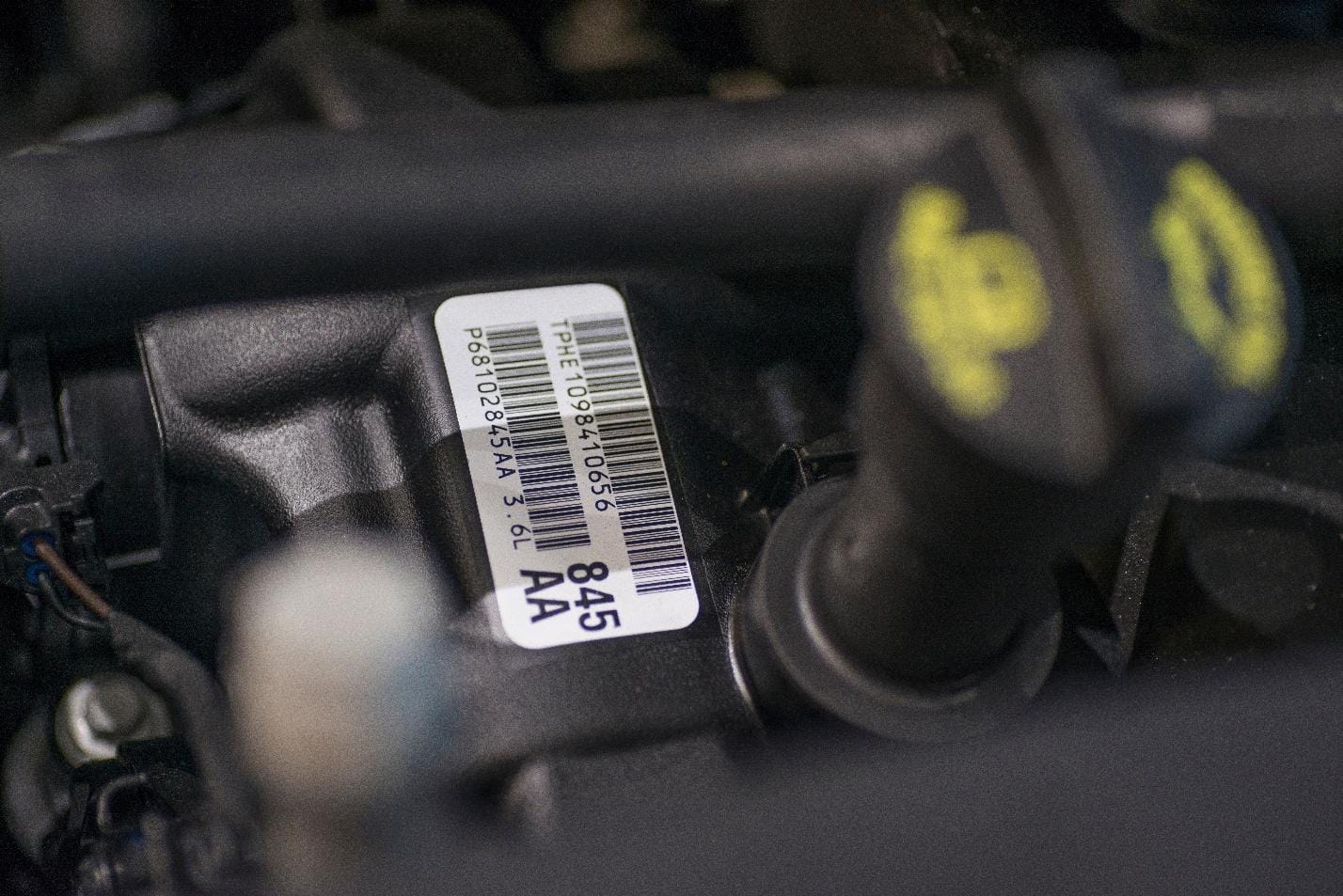
How Whitlam Group Helps Automotive Manufacturers
At Whitlam Group, we understand that modern automotive labeling is about more than just identification; it’s about performance, safety, and longevity. We provide labels engineered specifically for EVs and advanced automotive components:
- High-heat and chemical resistant materials
- Variable data and barcode printing ready
- Designed for next-generation EVs and electronics
- Built for long-lasting performance in demanding environments
By partnering with Whitlam Group, manufacturers can reduce downtime, prevent label failures, and ensure compliance, all while keeping pace with the rapidly evolving automotive industry.
In a world where vehicles are more advanced than ever, your labels should be just as advanced. Need Help with your labeling needs? Contact Whitlam Group today.